The REAL FLC Introduction
The Reality Enhanced Augmented Learning Faculty Learning Community (REAL FLC) is a cross-faculty staff interest group made up of BCU academics from a variety of different backgrounds, including Computing and Digital Technology, Education, Midwifery, Media, Engineering, Environment, Fashion Design and Nursing. The community’s interest is focusing on how Extended Reality (XR) technology, such as Augmented Reality (AR), Virtual Reality (VR) and Mixed Reality (MR) can enhance education, training and healthcare.
In 2022 there are 14 members in total across the university joined in the core group this year. We aim to develop cross-domain research together in the XR area especially on XR for Education and Healthcare. We also aim to maintain and contribute to our online communities and share our research findings.
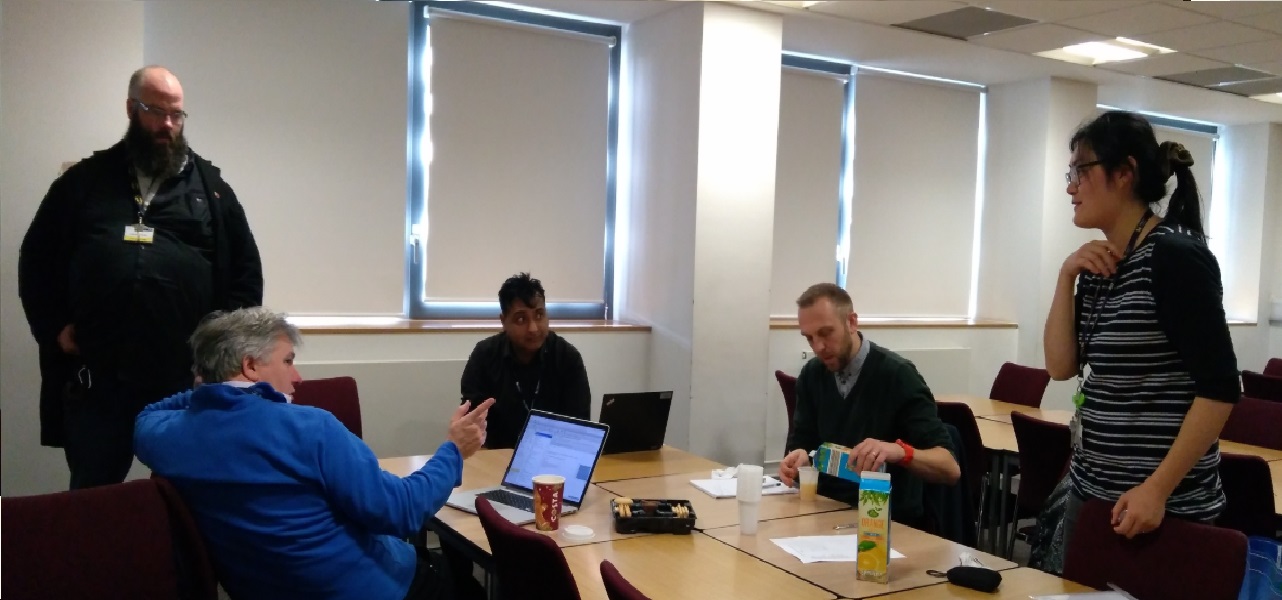
The core group remembers meet regularly to review and discuss the use of AR, VR, MR and XR in research and application. Since the group (Previously called “AR/VR FLC”) was formed in September 2017, it has generated several cross-faculty collaborative projects leading to presentations, publications and funding bids.
The group aims to build a community to:
Explore the potential use of XR in the areas of education, training and healthcare
Enhance cross-faculty collaboration, communication and learning community
Build cross-domain collaboration on projects, publications and funding applications.
Any questions please contact Dr Xi Guo (Lead of the REAL FLC)
Why XR?
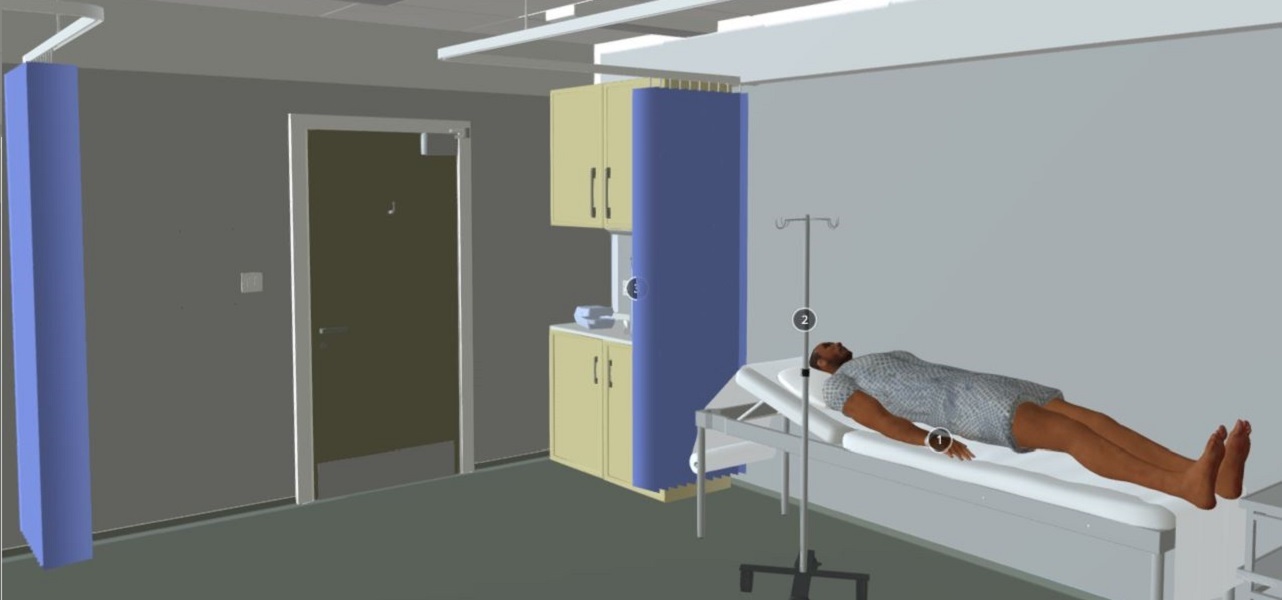
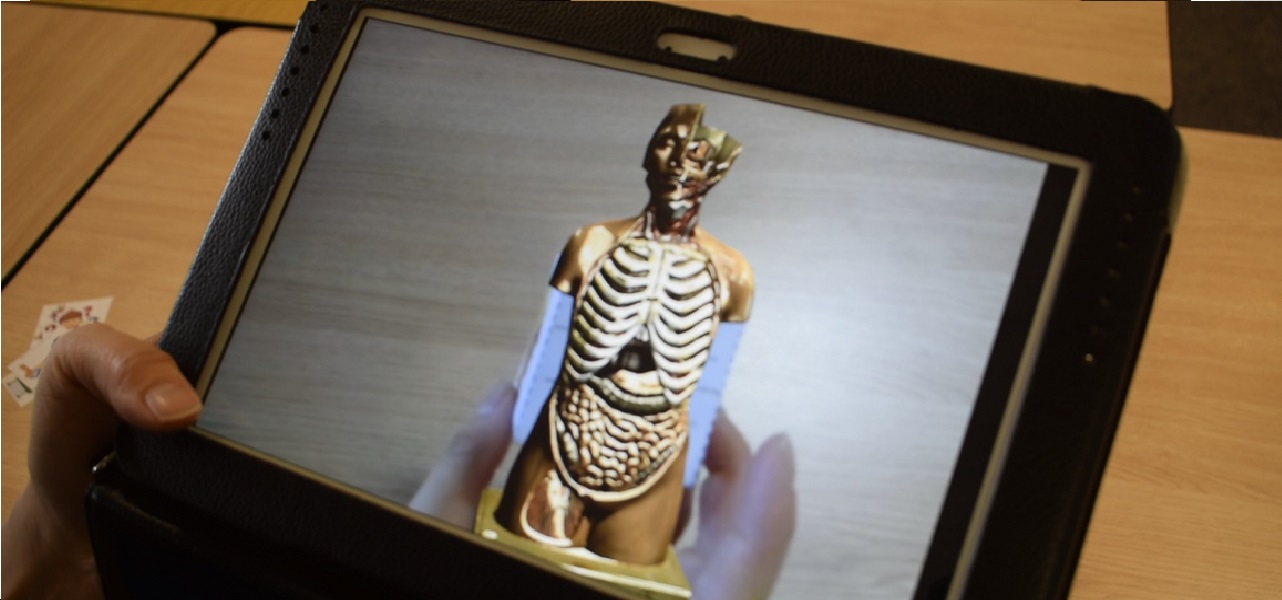
Multimedia plays an important role in information delivery, especially in areas like education, training and healthcare. It can be challenging during skills training to use traditional two-dimensional (2D) methods to explain the form, movement or positioning within a three-dimensional (3D) space. XR technology provides methods to transfer the media to a form that replaces or mixes with real scenarios.
Lecturer in Computer Game Technology and REAL FLC Lead Dr Xi Guo said: “XR technology can help in various areas covering education, training and healthcare.
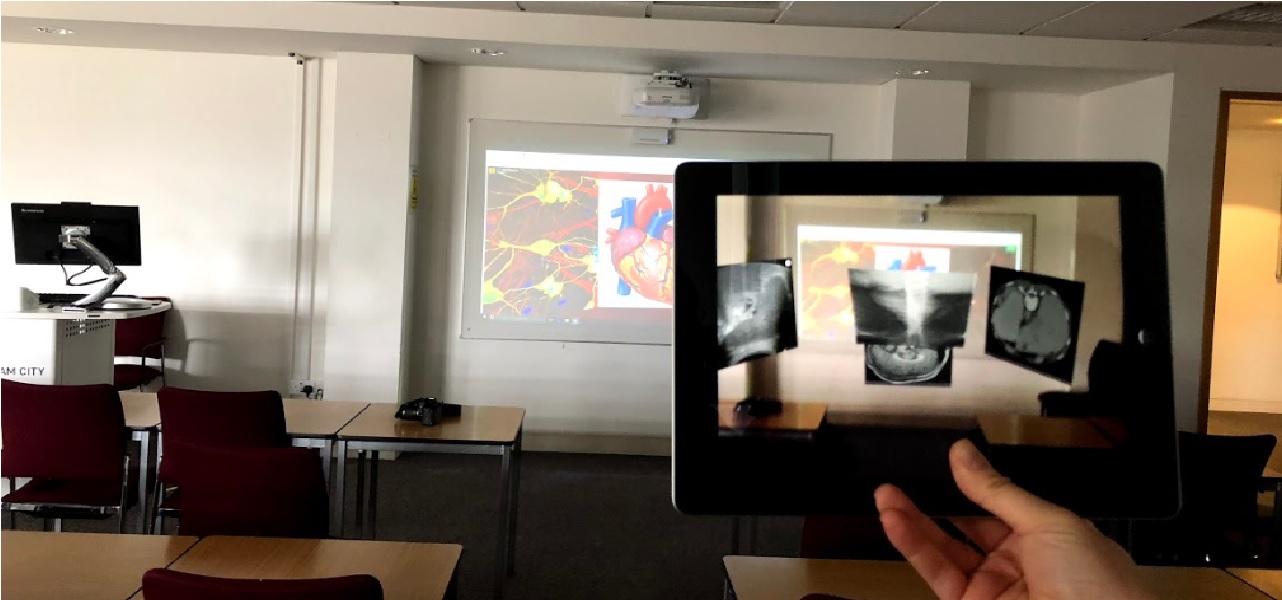
“For example, how would you demonstrate how X-ray results change when a body is in a different position? XR technology can be used to simulate a journey inside the body, or training in places where it would be hazardous to do real scenarios.”
XR technology can add digital information to abstract knowledge, so that it can be more easily understood. Using this type of technology, it’s also possible to create practice sessions that allow the students to directly interact with the visualised digital content in a way that would be similar to their interaction with the real world.
Join in the community